Nobody Walks In Wanting to Learn the Teep
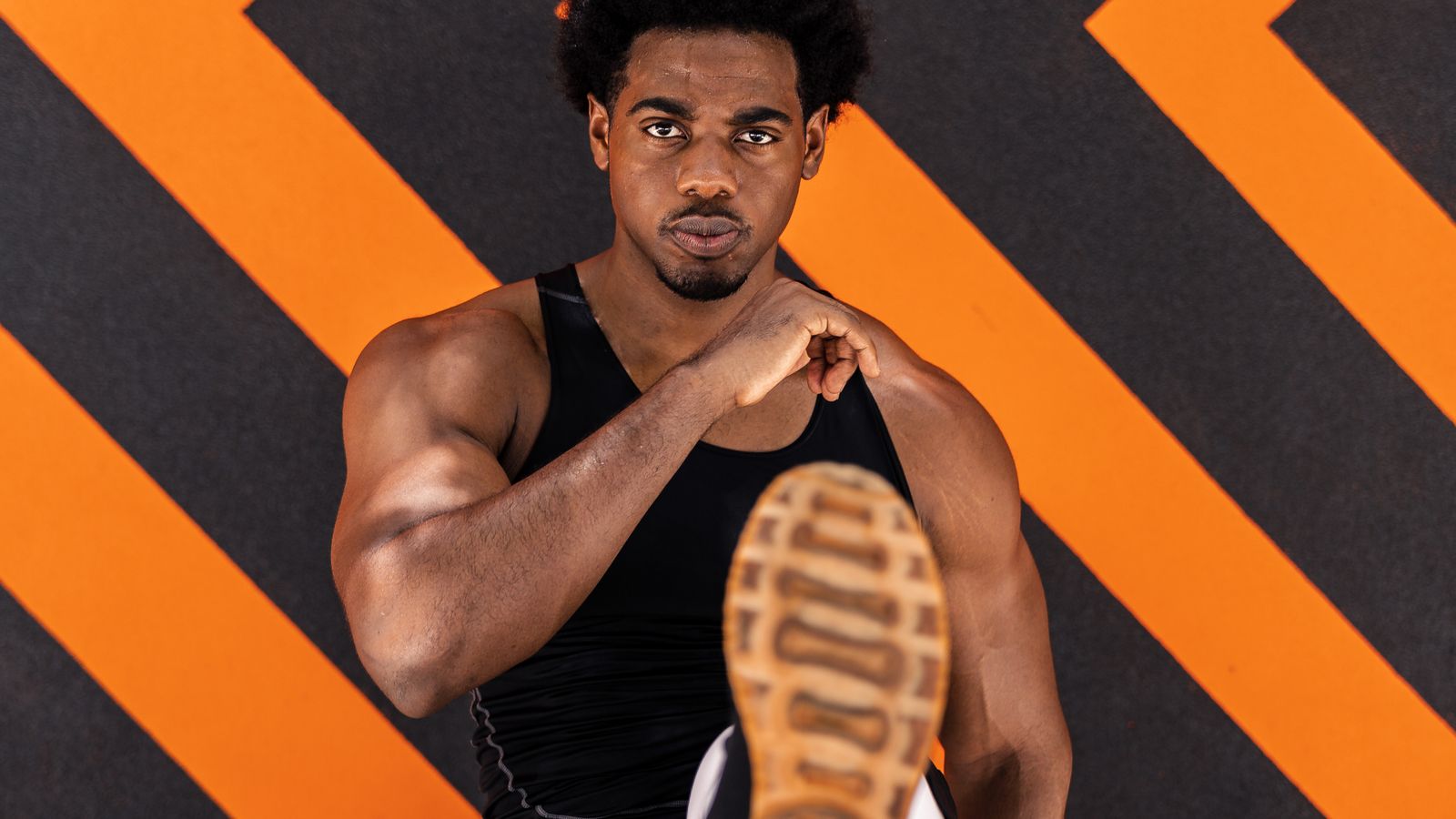
Every new guy who walks into Khao Noi Gym wants to throw the roundhouse kick that sounds like a gunshot on the pad. Nobody's dreaming about the teep. It looks boring. It looks like "just a push." But if you've been training long enough, you know the fighters who teep well are the ones who control the entire fight without their opponent even realizing it's happening.
I've seen guys with heavy hands and nasty kicks get completely shut down by someone who just knows how to teep at the right range, right time. That's the thing about this technique—it's not flashy, but it's brutally effective when you actually understand what it's for.
What the Teep Actually Does
The teep isn't a knockout weapon most of the time. Its job is control. At Khao Noi Gym we break it down into three core uses:
- Range management – keeping aggressive opponents at the distance where their punches and kicks can't land clean
- Interruption – stopping combinations before they start, especially against guys who like to walk you down
- Off-balancing – a teep to the hip or thigh can wreck someone's rhythm and stance without ever touching their face
Timing Is Everything—Literally the Whole Technique
Here's what separates a good teep from a useless one: timing. A teep thrown too early just gets checked or stepped around. Thrown too late, you eat a punch on the way in.
What we drill constantly in our sessions is throwing the teep on the opponent's first step forward, not after they've already closed distance. You're catching their momentum, not reacting to their attack. This is the single biggest adjustment I see students need to make—they wait until the danger is already in their face instead of shutting it down early.
Another timing window we work on: right after you land a combination and they're about to counter. A teep here resets the distance before they can capitalize. Fighters who are always on the back foot after their own combos are giving away free rounds.
Common Mistakes We See All the Time
I'll be straight with you—most people's teeps are broken in one of these ways.
Telegraphing it. You can see some guys load up their hips, drop their hands, and basically send a text message saying "teep incoming." By the time it launches, the opponent's already stepped off. The teep should come off a small, quiet chamber. No windup.
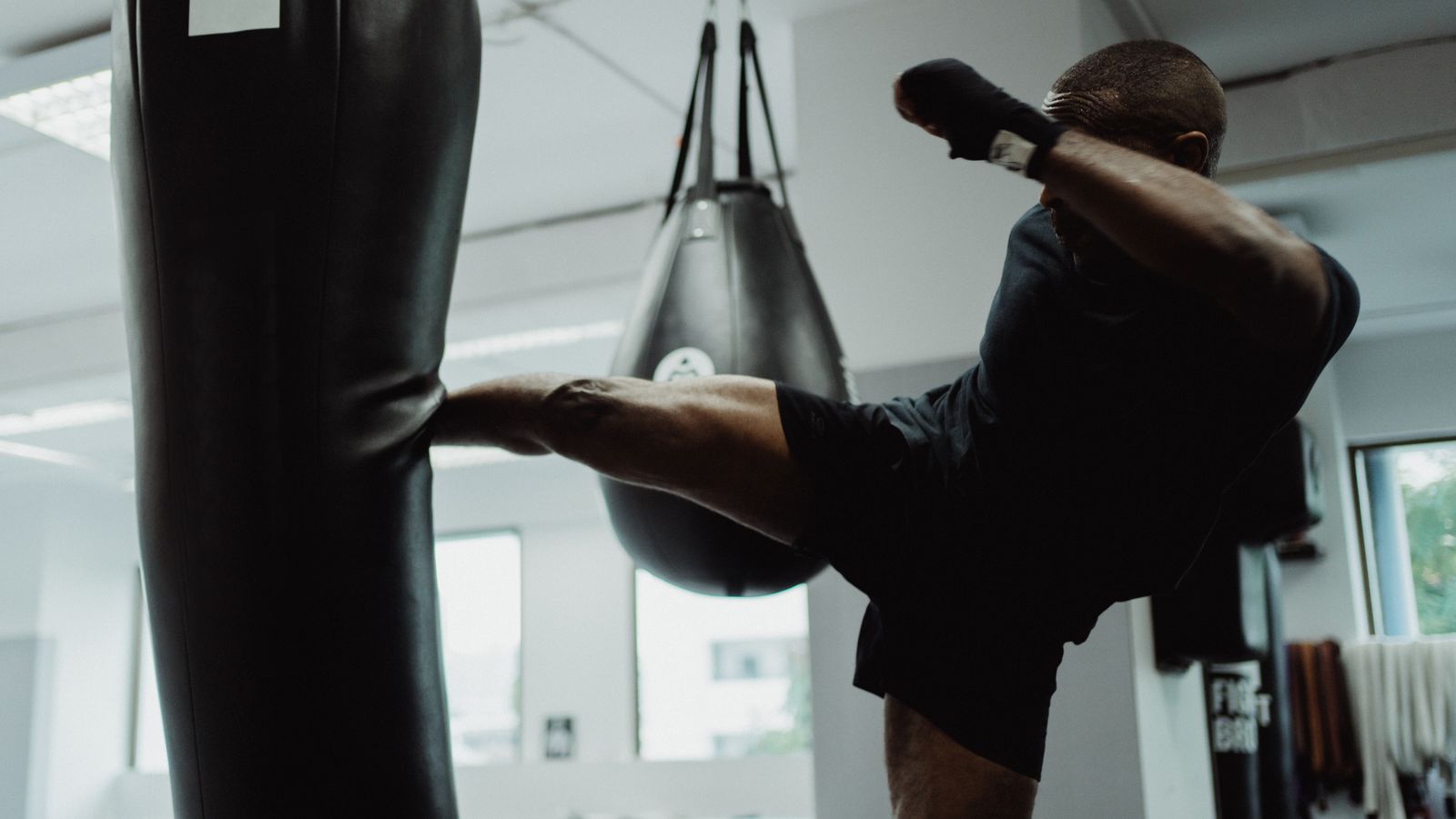
Pushing instead of snapping. A lot of newer guys treat it like they're pushing a door open. That's not a teep, that's just shoving. There needs to be a snap at the hip and knee, then retraction. Push kicks that just extend and stay extended get caught and dumped—and trust me, getting swept in front of the class is not a fun Tuesday night.
No hands up. This one gets guys hit constantly. You throw a teep with your hands down by your hips like you're doing a dance move, and you're wide open for a counter right down the pipe. Hands stay up, chin stays tucked, even mid-kick.
Throwing it flat-footed without a base. If your standing leg isn't stable, your entire kick has no power and you're one shove away from being on the mat. We spend a lot of time at Khao Noi Gym just on the standing leg mechanics before we even talk about the kicking leg—that's how important the base is.
Only using it defensively. The teep isn't just a "stay away from me" tool. Use it to walk opponents into the ropes or into a position where your kicks and knees do more damage. It's offense disguised as defense.
How We Train It at Khao Noi Gym
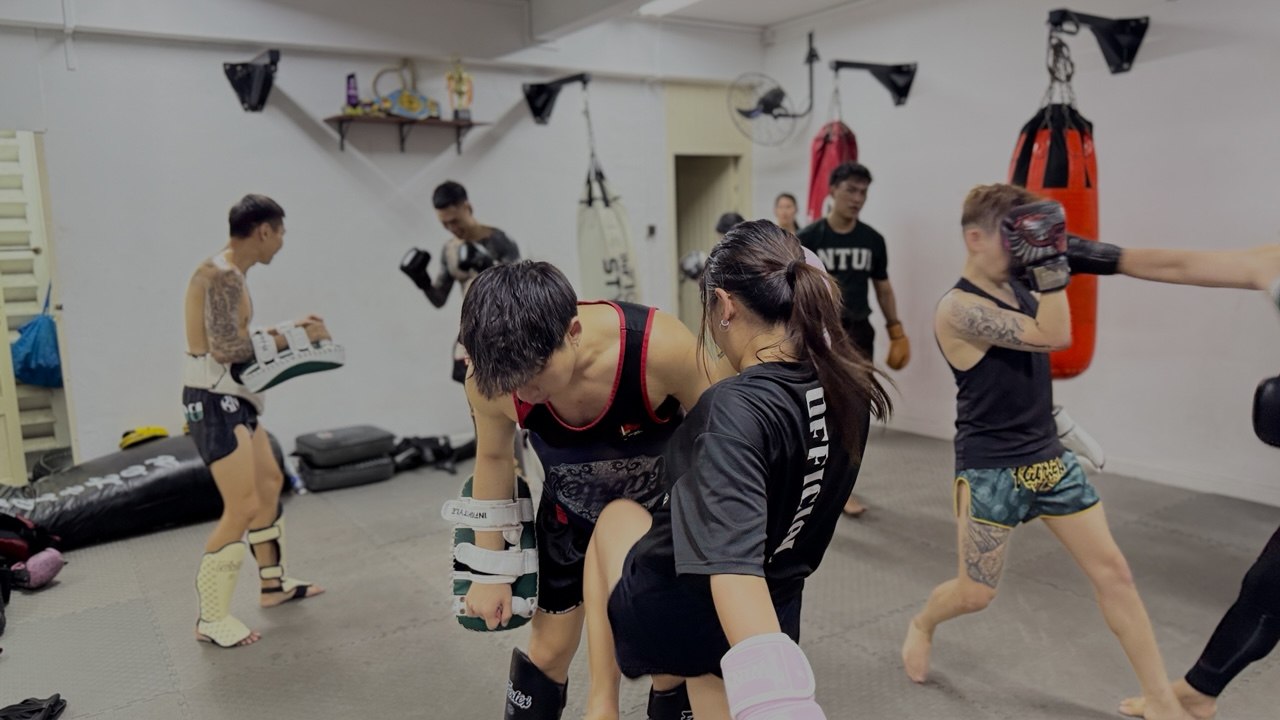
Our approach here is simple and repetitive—because that's how muscle memory actually works. We do shadow teeps for time, then move into pad reps where the coach calls timing cues randomly instead of on a set count. This forces students to react rather than perform a memorized pattern. Then we go into partner drills where one person walks forward and the other has to time teeps on the approach, not after contact range is already broken.
We also do this in the Singapore heat, which honestly makes conditioning brutal but builds real endurance for maintaining teep discipline into the third round when your legs feel like lead.
Final Word
The teep isn't going to get you highlight reels. But it'll win you rounds, control fights, and frustrate opponents who came in ready to brawl. Respect the boring techniques—they're usually the ones that separate fighters who understand the sport from fighters who are just throwing strikes and hoping something lands.