The problem with most "wellness" bookings
Every HR calendar has the same rotation: a yoga instructor once a quarter, a mindfulness webinar nobody turns their camera on for, a fruit basket in the pantry. None of it is wrong. It's just forgettable. Nobody talks about the fruit basket on Monday.We've run corporate sessions for teams who'd tried all of it before they found us. The thing that changed wasn't the activity category — "fitness" vs "wellness" — it was whether the hour asked anything real of the people in the room.
What a pad session actually does
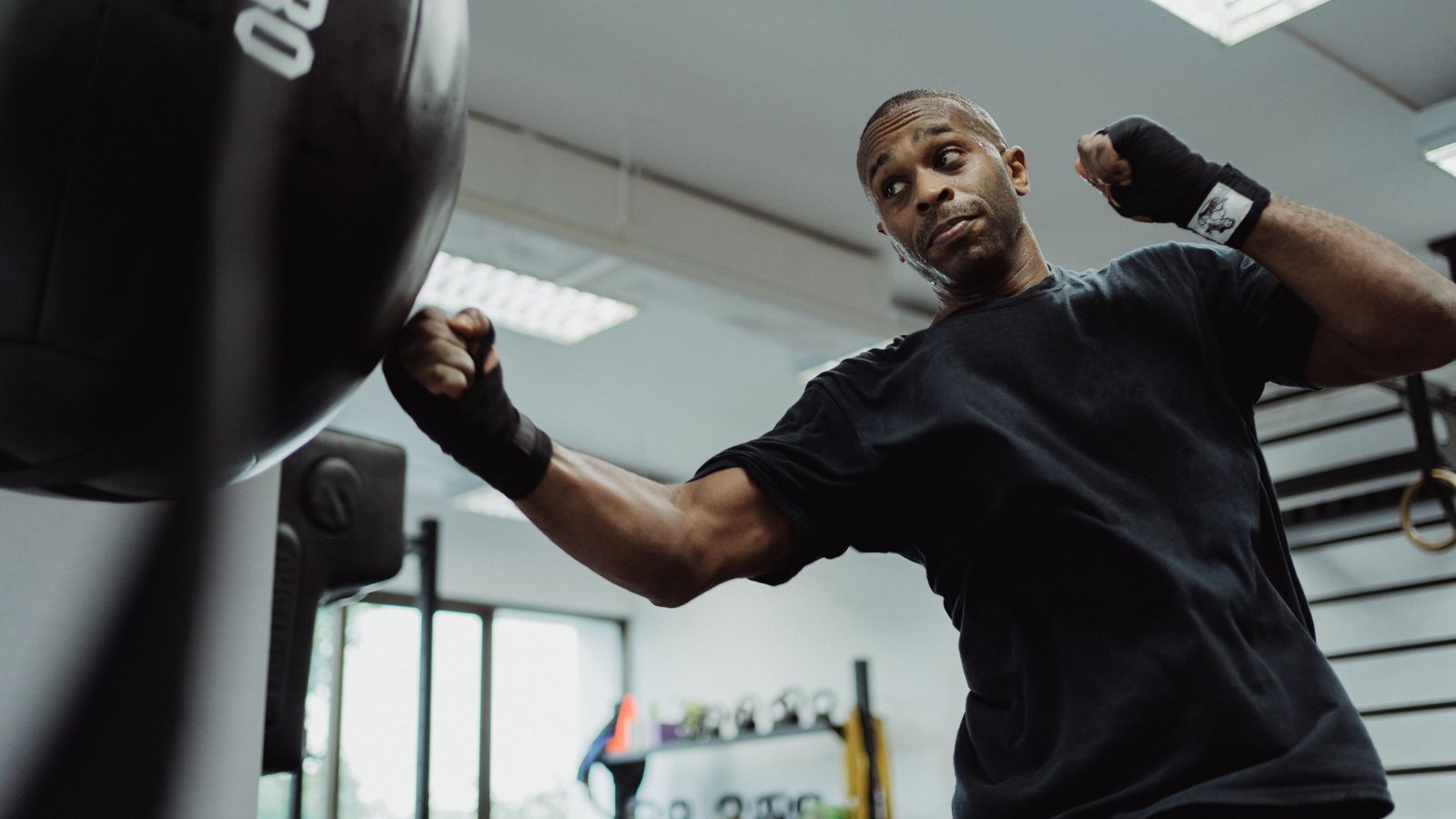
Muay Thai pad work is simple to explain and hard to fake. One person holds pads, one person hits them, and for 45 minutes nobody is checking Slack. There's a reason combat sports get used in stress research more than most "calm" activities: hitting something, correctly and safely, with full attention, discharges tension in a way that sitting still doesn't always manage to.For a team, it does something else too. You can't hold pads for a colleague without paying attention to them. You can't throw a combination while thinking about tomorrow's deadline — the pads will tell you when your attention wandered. It's accidental mindfulness, delivered without anyone having to use that word.
What it looks like in practice
We run corporate sessions in three formats, scaled to what the team actually wants:- A one-off — a single lunchtime or after-work session, usually to try before committing to something recurring.
- A recurring slot — weekly or fortnightly, same time, same coach, becomes part of the team's actual rhythm rather than a one-time event.
- An offsite add-on — one high-energy session dropped into a retreat or townhall day, between the slide decks.